American Volunteer Emergency Response Team
Hold on. We're on our way.
When a hurricane, flood or wildfire tears through a town, AVERT volunteers load up donated food, water and supplies and drive toward the damage. Then we put it in the hands of the people who need it.
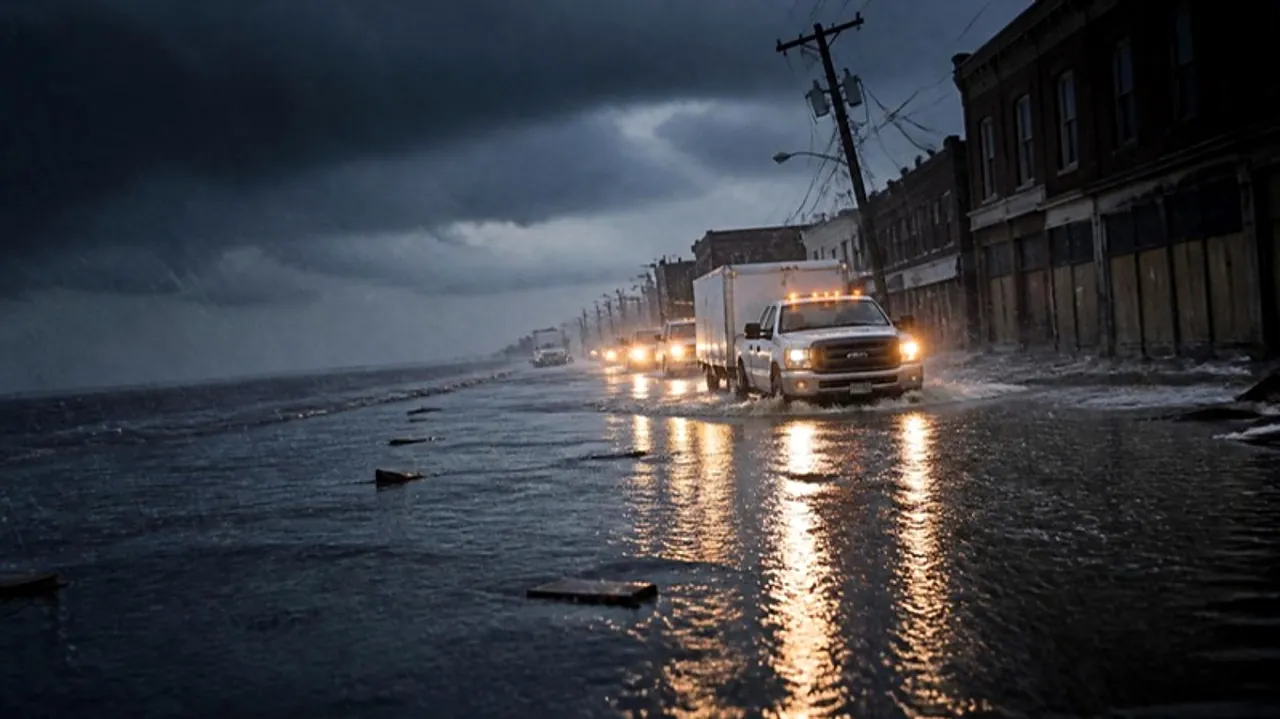
Watch the roadPhoto illustration
Most days we are your neighbors, with day jobs and families of our own.
On the worst day, we are the headlights coming down your road.
Field bulletin
- Relaunch underway
- Volunteer roles open now
- Advisory board: five seats
- Distribution center managers wanted near hurricane, wildfire and flood country
- Development officers wanted
- In danger right now? Call 911
Who we are
Neighbors first. Responders when it counts.
AVERT, the American Volunteer Emergency Response Team, is an all volunteer disaster relief team based in Arkansas. We carry donated supplies into disaster areas in person and hand them to the people who need them, along with the first responders and charities already working there.
We took to the road in the 2017 hurricane season with a simple idea. Not everyone can pack up and go when disaster strikes, so the people who can go should carry everyone else's generosity with them. We call it being the deliverers and stewards of your donations.
-
Everyone is a volunteer.
AVERT runs on a 100 percent volunteer basis. Nobody draws a paycheck from your gift.
-
Your gift rides with us.
We carry your donations ourselves, from the moment they arrive to the hands that need them.
-
We show you the work.
We post from the field so you can watch your support arrive where it was needed.
-
We back everyone on the ground.
We support first responders and every charity already working the disaster. Relief is not a competition.
How help gets there
From the first call to your street.
Every deployment follows the same road, from the moment disaster strikes to the moment supplies reach the people who need them.
-
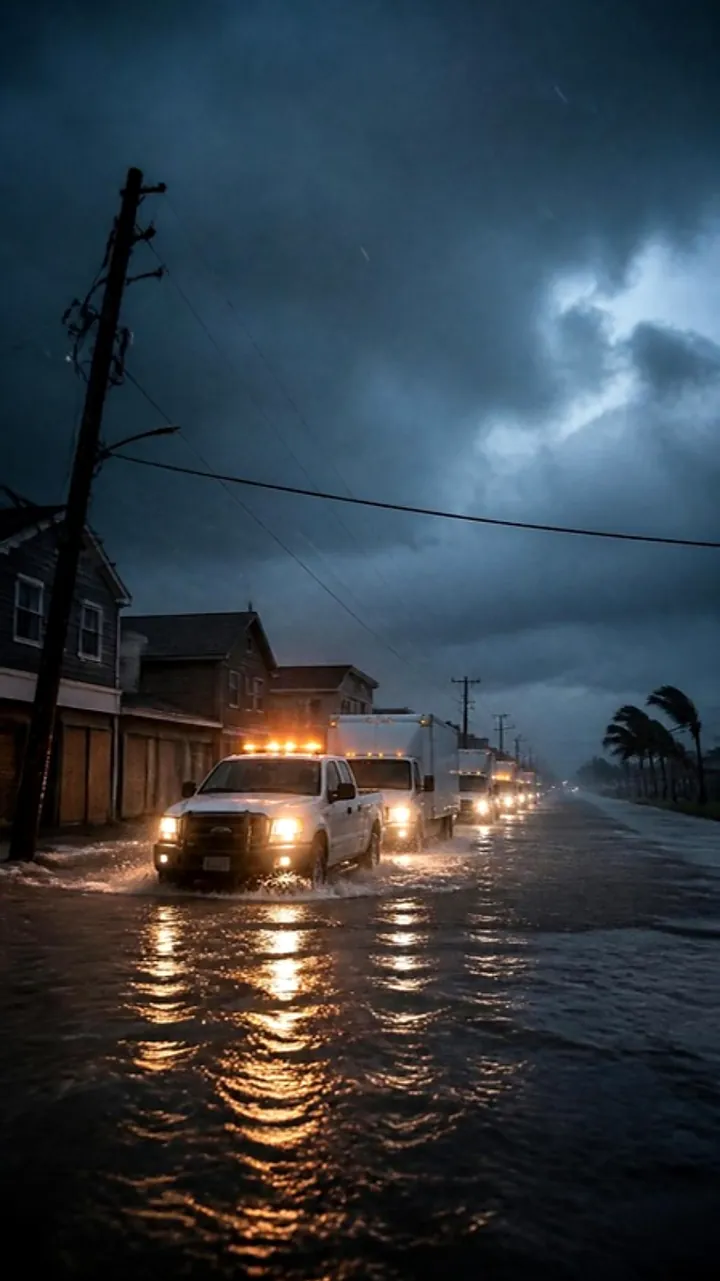
Photo illustration 1The call
The storm hits.
A hurricane makes landfall, a river crests, a fire jumps the ridge. We track the damage and ask the people on the ground what they need most.
-
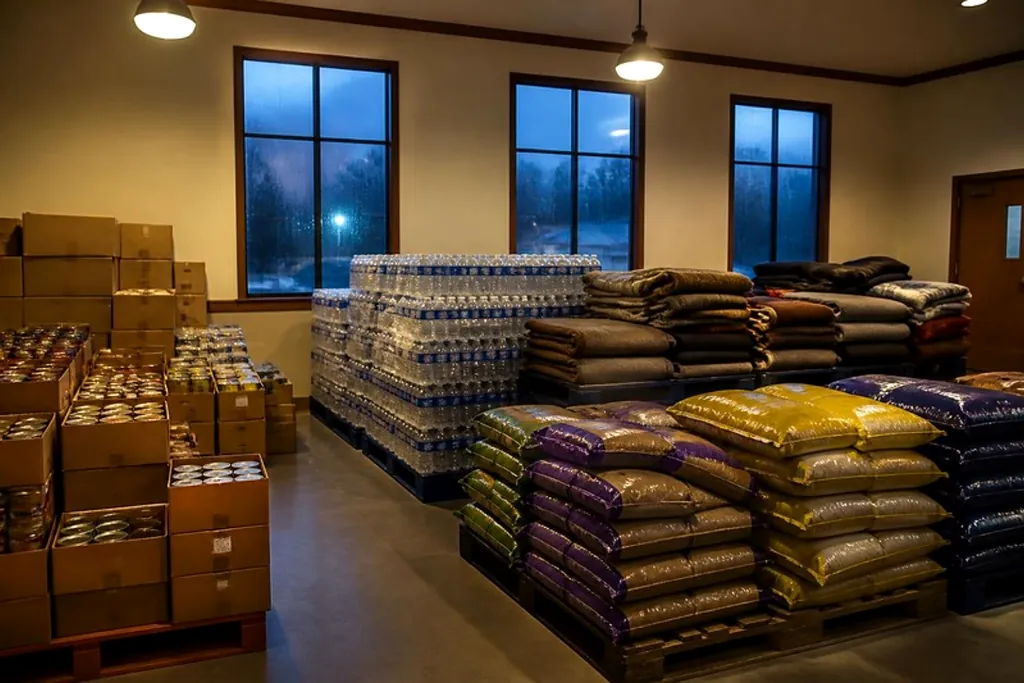
Photo illustration 2The load
Gifts become cargo.
Your donations turn into fuel for the trip and the specific supplies people asked for. Volunteers cover their own training and gear so your gift goes further.
-
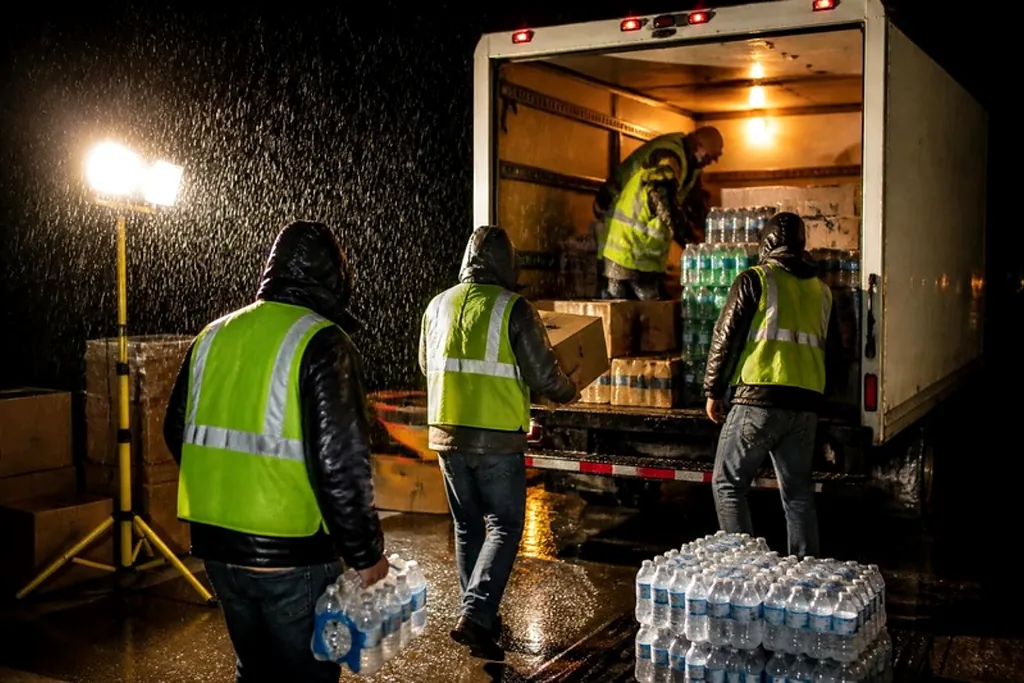
Photo illustration 3The road
We drive toward the damage.
Teams head in with food, water, blankets, pet food and the essentials that run out first.
-
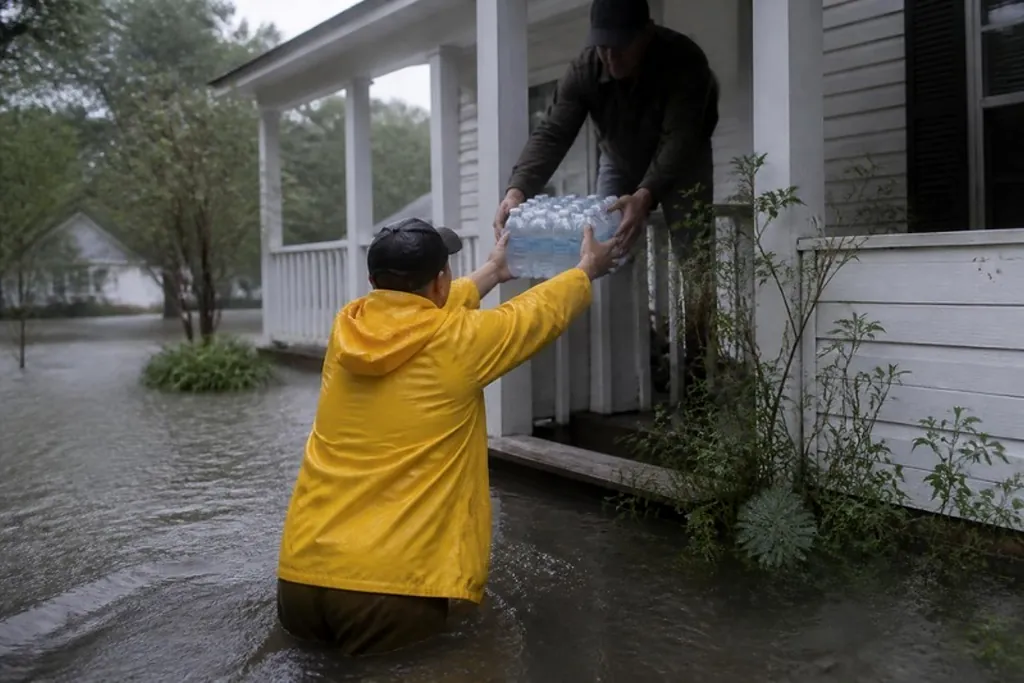
Photo illustration 4Hand to hand
Help reaches people.
Supplies go straight to families, first responders and the charities serving them. We post from the field so you can see your gift arrive.
-
5Destination
Your town.
Wherever the water rose or the fire burned, that is where we are headed. You are not facing it alone.


What we carry
A short manifest, on purpose.
When the power is out and the stores are closed, people need the basics first. That is what we load.
- Lot 01Water
- Lot 02Food
- Lot 03Blankets
- Lot 04Pet food
- Lot 05Essentials
Pets are family too, so they get a lot of their own. And when someone on the ground asks for something specific, it goes on the load as well. Why we ask before anything ships.
Pledge suppliesFrom the field
Real photos. Real deployments.
Taken by AVERT volunteers on the job, from the Bahamas after Hurricane Dorian to the parking lots where the loads come together.
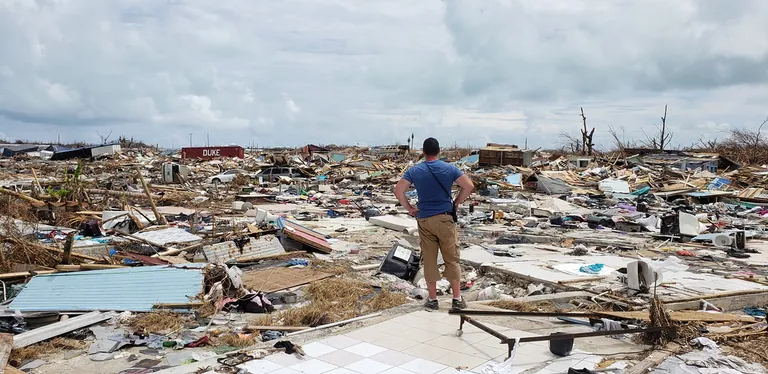
Taking stock of what Hurricane Dorian left behind. 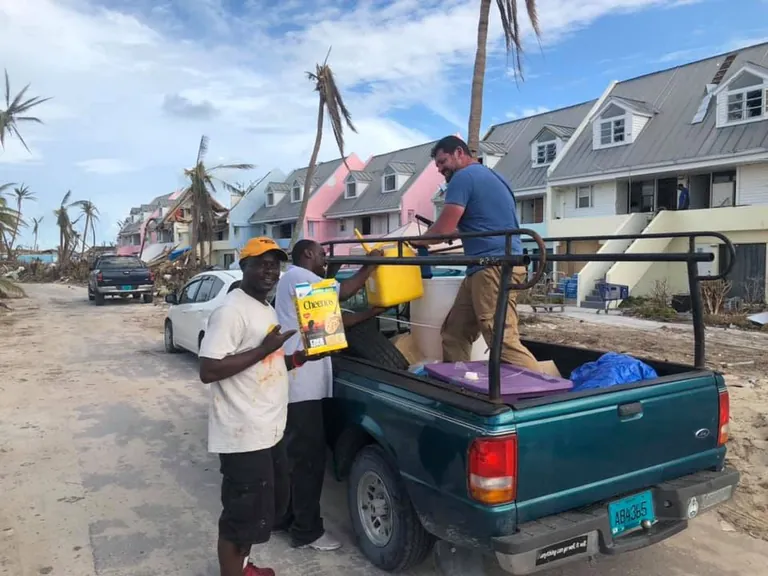
Water and food handed out from the back of a pickup. 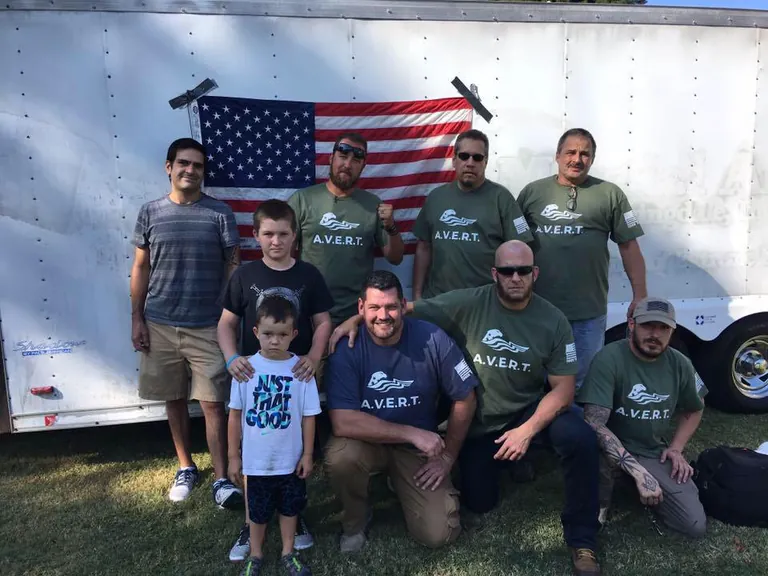
The crew in front of the supply trailer. 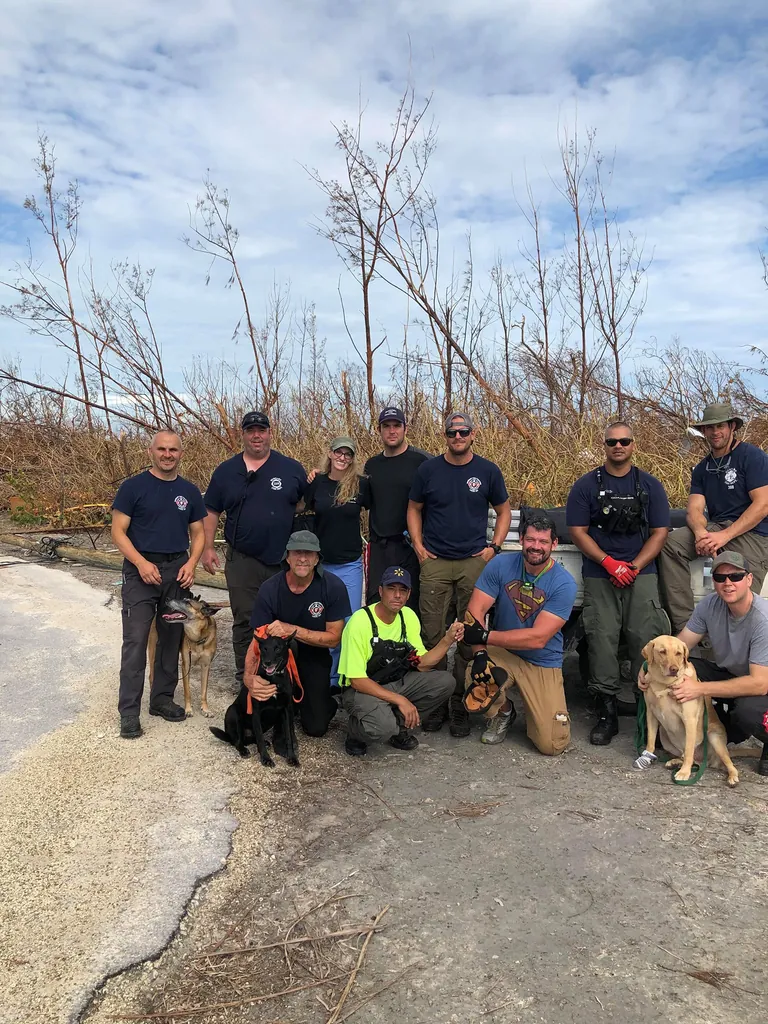
A search and rescue team and its dogs between missions. 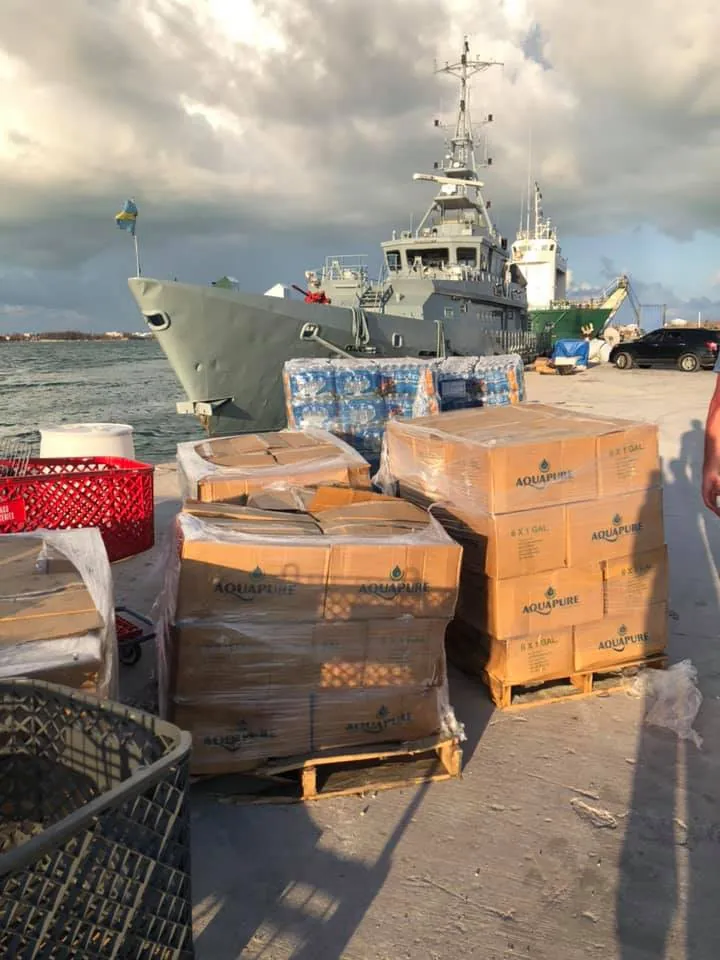
Water on the dock beside a Defence Force ship. 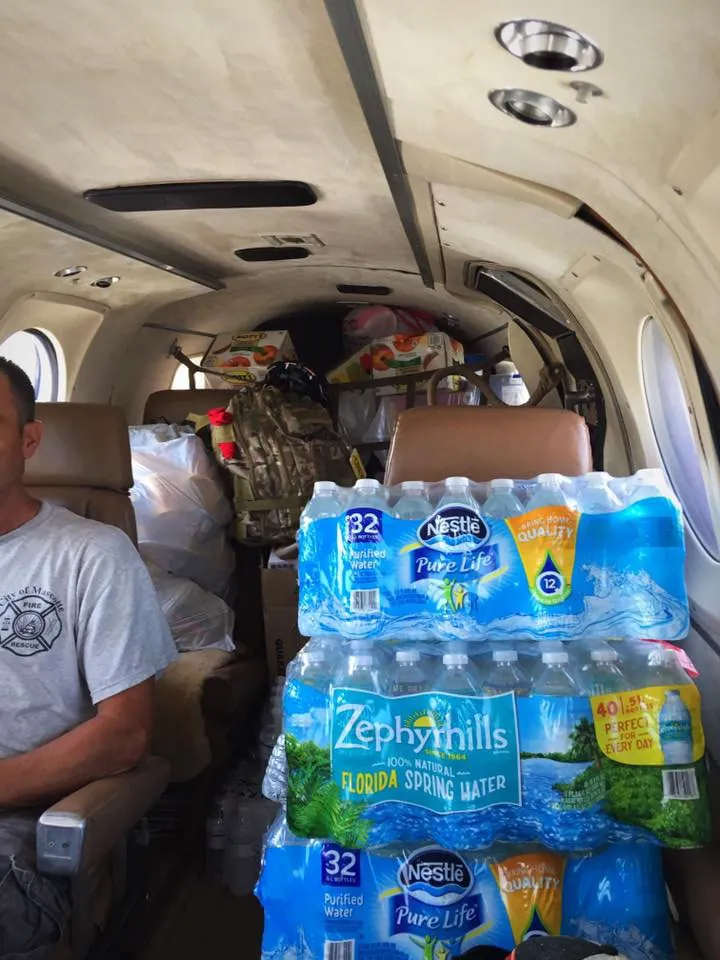
A relief flight with every seat taken by supplies. 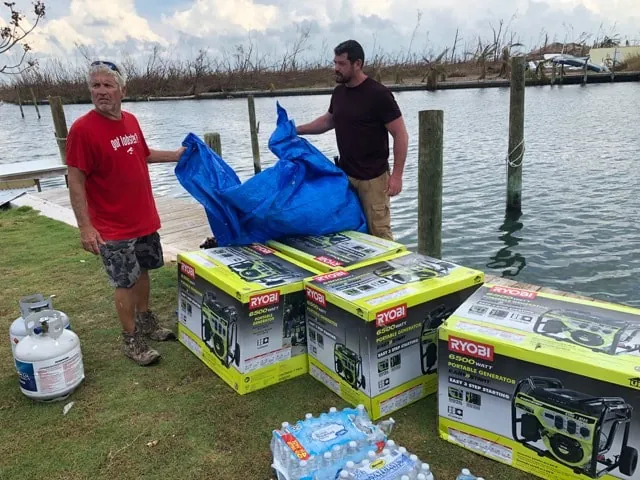
Generators, propane and water ready to go out. 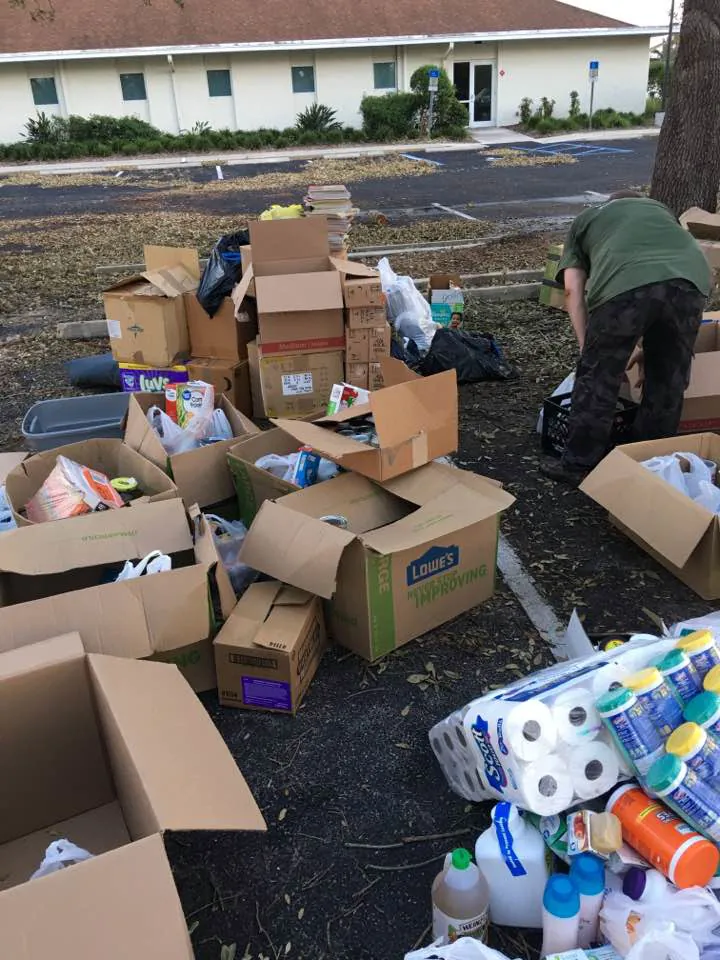
Sorting donations before they go on the trailer.


Recognized for service
- President’s Lifetime Achievement AwardMichael Brewer, 2023
- Letter of appreciationU.S. Senator Mark R. Warner, 2018
- Letter of support to FEMAU.S. Representative Darren Soto, 2018
- Kentucky ColonelGovernor Andy Beshear, 2022
- Arkansas TravelerGovernor Asa Hutchinson, 2022
Field record
Where we have been. Where help stages next.
- 2017
Harvey, Irma and Maria
The documented 2017 hurricane season. Volunteers worked recovery in Texas after Hurricane Harvey and in Florida after Hurricane Irma, then coordinated medical and support volunteers who delivered aid to over 400 families in Puerto Rico after Hurricane Maria, including five weeks in the mountain town of Jayuya.
- 2018
Florence in the Carolinas
Back on the road after Hurricane Florence in North and South Carolina, carried by hundreds of individual donors across 2017 and 2018.
- 2019
Dorian in the Bahamas
After Hurricane Dorian, AVERT's Florida team went to the Abaco Islands with Florida Search and Rescue to run triage and medical aid and help airlift patients to Nassau. Volunteers handed out water, food and generators and joined search and rescue missions, including one that found a missing Canadian man on Treasure Cay.
- 2026
The relaunch
AVERT is rebuilding for the long haul with an advisory board, regional distribution centers and a development team, so the next response moves faster.
Along the way AVERT was commended by communities we served, by organizations we supported and by members of the United States House and Senate. Read the letters.
Live near the edge of disaster country?
AVERT is building regional distribution centers before the next disaster, not during it. If you live near, but not inside, a hurricane, wildfire or flood zone and can lend some space and time, raise your hand.
The relaunch
Four ways to answer the call.
AVERT is relaunching, and we need skilled volunteers to get it off the ground. Here is what is on the board right now.
- Advisory board membersFive seats. Help steer relief work and major gift campaigns.Open, 5 seats
- Web designersAnswered by THATDEVELOPERGUY. You are looking at the result.Answered
- Distribution center managersLend space and time near, but not inside, a disaster zone.Open
- Development officersHelp run gift and donation programs. Experience helps. We will teach the rest.Open
Not sure where you fit? Tell us what you bring and we will help you find the right seat.
Raise your hand
Photo illustration
Give
Not everyone can pack up and go. Your gift can.
AVERT runs entirely on donations. Every gift becomes fuel, food, water and supplies carried by volunteers straight into disaster country, and we post from the field so you can watch it arrive.